
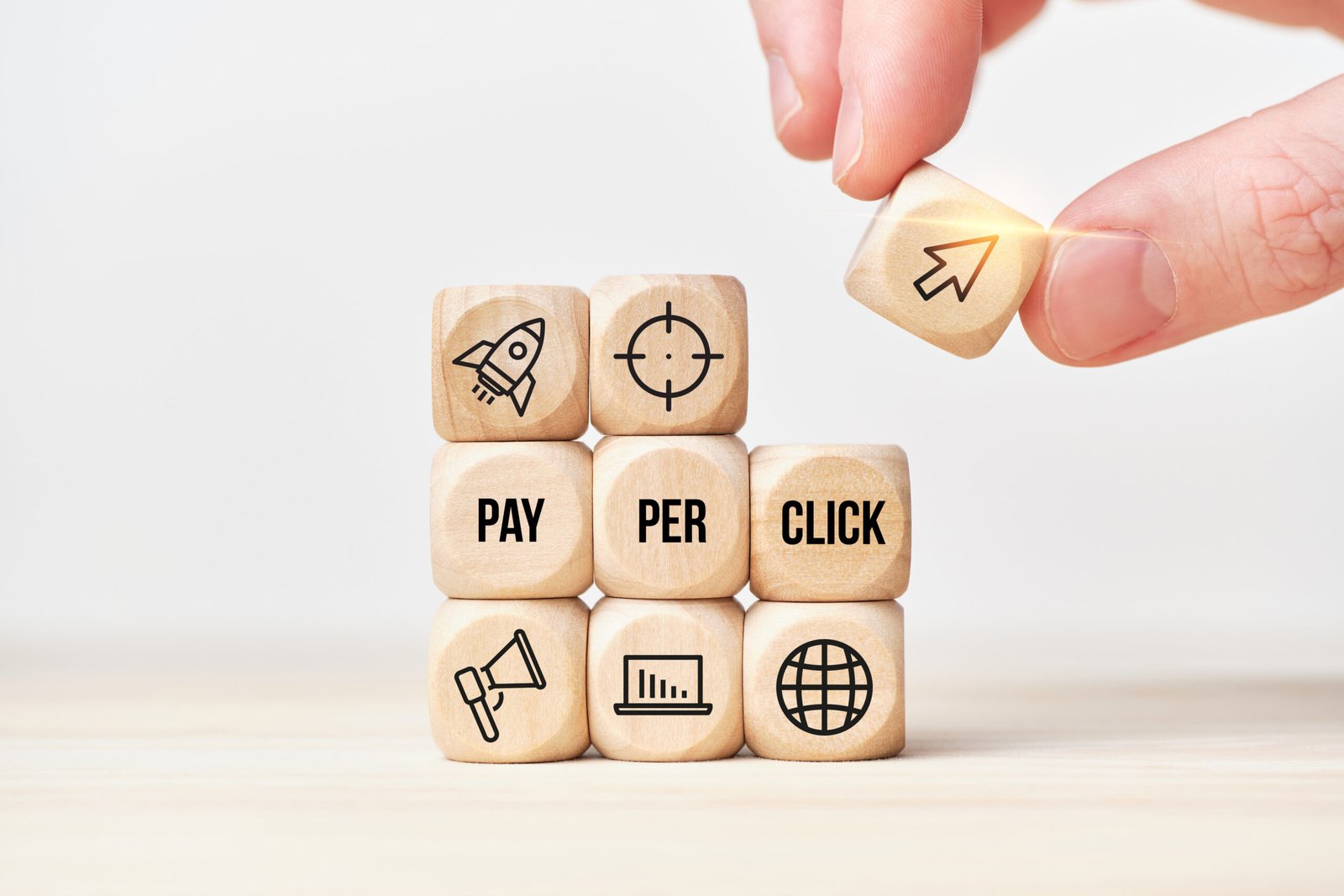
If you’re new to digital marketing, one of the first questions you’ll probably ask is: what is PPC?
PPC is a fast, measurable way to put your business in front of people who are actively searching for your products or services.
PPC (Pay-Per-Click) is an online advertising model where you pay only when someone clicks your advert.
Instead of waiting for organic rankings, PPC helps you appear at the top of search engine results almost immediately.
What Does PPC Mean?
PPC stands for Pay-Per-Click.
It is most commonly associated with search ads on platforms like Google Ads and Microsoft Ads, but PPC can also include display, shopping, video, and social media adverts.
When someone searches for terms such as:
- “what is PPC”
- “PPC for beginners”
- “how PPC works”
- “Google Ads management”
your advert can appear in sponsored placements. If the user clicks, you pay a fee — hence, pay-per-click.
Why is PPC Important?
PPC is important because it gives businesses a direct route to visibility, traffic, and conversions.
Main benefits of PPC:
- Immediate visibility
Your adverts can appear quickly, unlike long-term channels that require more time to build momentum. - Highly targeted reach
You can target by keywords, location, device, audience, time of day, and more. - Measurable performance
PPC platforms provide clear metrics, including clicks, impressions, conversion rate, and return on ad spend (ROAS). - Budget control
You can set daily and monthly budgets and adjust bids based on performance. - Lead and sales generation
Well-managed PPC campaigns can deliver qualified traffic that converts.
How Does PPC Work?
PPC works through an ad auction system. When a user enters a search query, the platform decides which adverts appear and in what order.
Ad rank is usually influenced by factors such as:
- Bid amount
- Ad relevance
- Quality of landing page
- Expected click-through rate (CTR)
This means the highest bidder does not always win. A relevant advert with strong quality signals can outperform a poorly optimised advert with a bigger bid.
The Main Types of PPC Advertising
1) Search Ads
Text adverts that appear on search engine results pages for chosen keywords.
Best for capturing high-intent users.
2) Display Ads
Visual banner adverts shown across websites and apps.
Useful for awareness and remarketing.
3) Shopping Ads
Product-based adverts showing image, price, and retailer details.
Ideal for ecommerce campaigns.
4) Video Ads
Ads shown on video platforms (for example, before or during content).
Strong for brand awareness and engagement.
5) Remarketing Ads
Adverts targeted at people who have already visited your website or engaged with your business.
Great for improving conversion rates.
What is PPC in Digital Marketing?
In digital marketing, PPC is a performance channel designed to generate results quickly. It often works best alongside SEO, content marketing, and email marketing.
For example:
- SEO builds long-term organic visibility.
- PPC drives immediate targeted traffic.
- Together, they cover both short-term wins and long-term growth.
PPC for Beginners: Core Terms You Should Know
If you’re just starting out, these PPC terms are essential:
- CPC (Cost-Per-Click): the amount you pay per click
- CTR (Click-Through Rate): percentage of impressions that become clicks
- Conversion: a valuable action (purchase, enquiry, sign-up)
- CPA (Cost Per Acquisition): cost to generate one conversion
- Quality Score: platform rating of ad/keyword/landing page relevance
- ROAS (Return on Ad Spend): revenue generated for each £1 spent
Understanding these metrics helps you make smarter decisions and improve campaign performance.
How to Build an Effective PPC Campaign
1. Set a clear objective
Decide whether your goal is leads, sales, traffic, or brand awareness.
2. Carry out keyword research
Choose keywords with strong intent and commercial relevance.
3. Structure campaigns properly
Group related keywords and adverts into tightly themed ad groups.
4. Write compelling ad copy
Use clear benefits, relevant keywords, and a strong call to action.
5. Optimise landing pages
Your landing page should match ad intent and make conversion easy.
6. Use negative keywords
Exclude irrelevant searches to reduce wasted spend.
7. Monitor and refine
Review performance regularly and adjust bids, ads, and targeting.
Common PPC Mistakes to Avoid
Many advertisers waste budget because of avoidable errors:
- Targeting overly broad keywords
- Ignoring negative keywords
- Sending traffic to weak landing pages
- Failing to track conversions properly
- Not testing ad copy variations
- “Set and forget” campaign management
- Optimising for clicks instead of profitable conversions
Avoiding these mistakes can make a significant difference to results and return on investment.
Is PPC Expensive?
PPC costs vary by industry, competition, and keyword demand. Some sectors have low CPCs, while others are highly competitive and more expensive.
The key point: PPC is not about getting cheap clicks — it is about getting profitable clicks.
A higher CPC can still be worthwhile if conversion rates and customer value are strong.
PPC vs SEO: What’s the Difference?
Both channels drive website traffic, but they work differently:
- PPC: paid placements, immediate visibility, predictable scaling with budget
- SEO: organic rankings, slower to build, long-term traffic without paying per click
Most businesses benefit from using both. PPC captures demand now; SEO builds lasting visibility over time.
Final Thoughts: What is PPC and Why Does It Matter?
So, what is PPC?
PPC is a digital advertising model where you pay when someone clicks your advert. It is one of the most effective ways to reach high-intent users, generate leads, and drive sales quickly.
When campaigns are well structured and consistently optimised, PPC can become a reliable and scalable growth channel for businesses of all sizes.
Want PPC that drives leads, not just clicks?
If you want better-quality traffic and more enquiries, we can help you build a PPC strategy focused on commercial outcomes.
- Account and campaign audit
- Keyword strategy and intent targeting
- Conversion-focused ad copy and landing pages
- Ongoing bid, budget, and audience optimisation
- Monthly performance reporting tied to real KPIs
Book your free PPC growth consultation and get a clear action plan tailored to your business goals.